What if your security camera was secure?
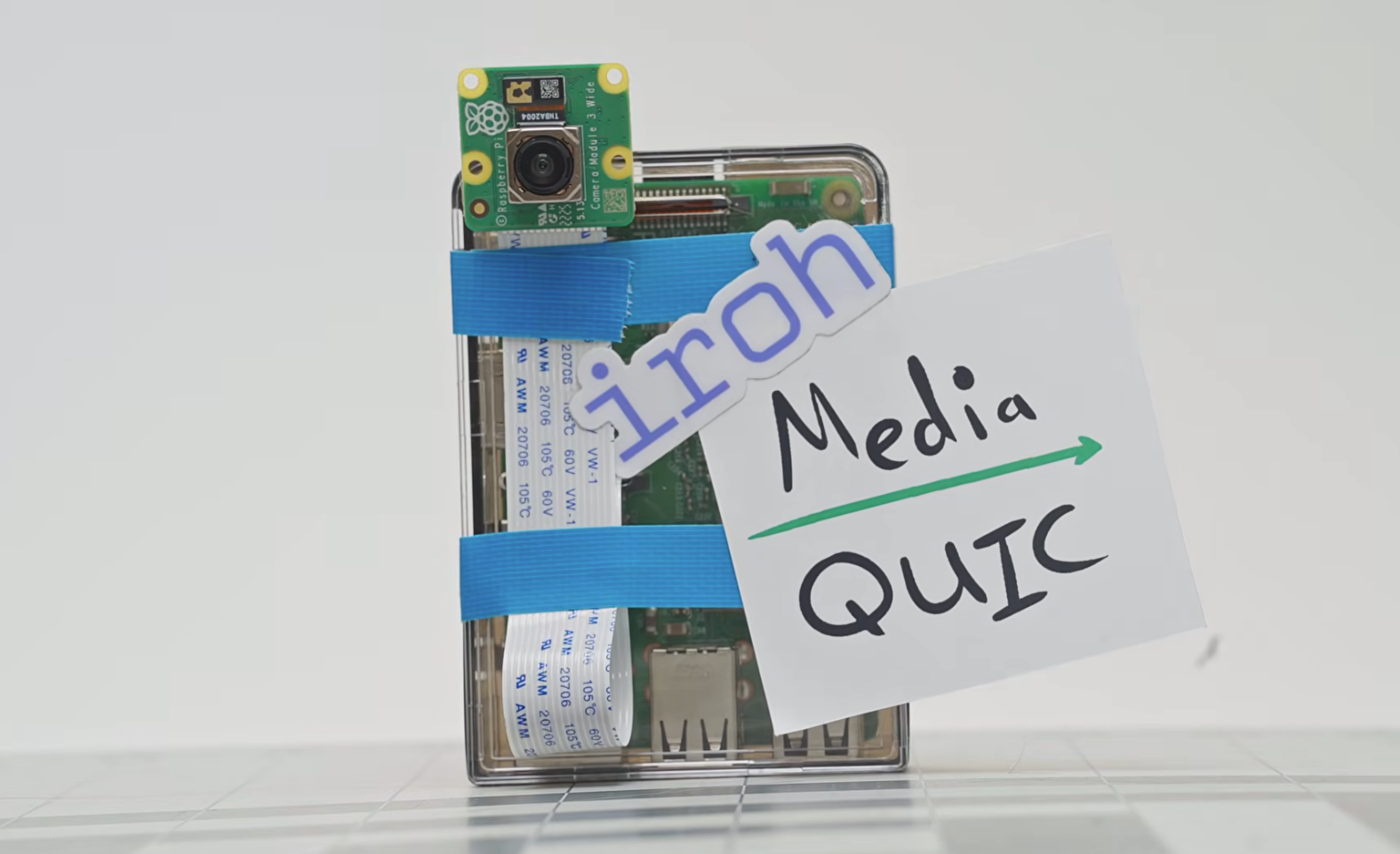
by b5This security camera is a prototype involving a Raspberry Pi, a camera, and more tape than I'd care to admit. If I had to pick between this and a proprietary commercial security camera product right now, I would take the bundle of plastic and tape hands down.
That's because the tech running on Tape Boy over here is a glimpse of the future. It's a new stack in the world of streaming video: iroh and Media over QUIC (MoQ).
This post was adapted from a video I made about this project, which you can watch on YouTube. If you like this kind of thing, please subscribe to the channel for more videos about iroh and MoQ.
How video streaming works today
To understand what's new here, we first have to set a baseline by looking at the way things roughly work today. For the sake of argument, let's assume you've waded through the minefield of one-off products that do or don't work with each other, and find are all secretly just wrappers around FFmpeg.
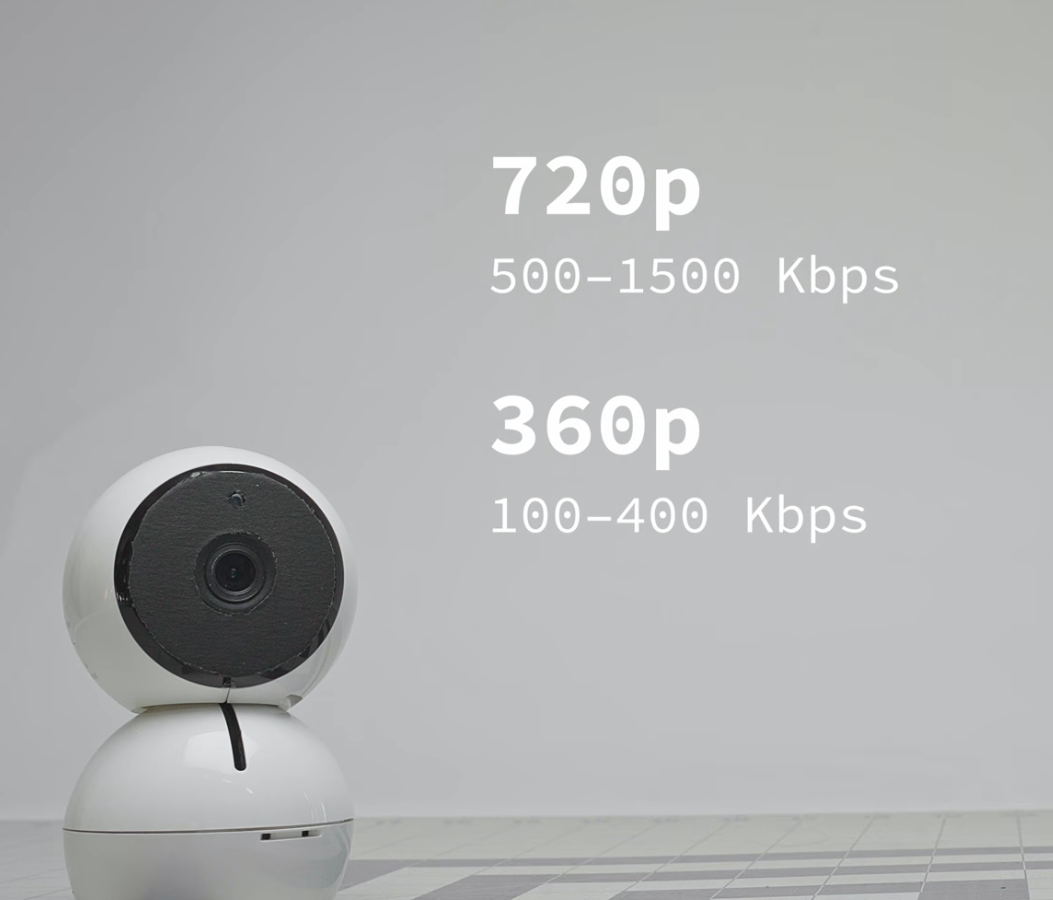
At this point, your stack is likely driven by some tech that either is, or looks a lot like WebRTC. The camera starts up, dials some server, and prepares to send video to the cloud. The standard practice is to encode multiple different streams at different quality levels directly on the device. This happens whenever your device is sending video, and is at least part of the reason why your laptop battery gets so unbelievably sad when you join a video conferencing call.
A better approach with MoQ
Iroh with MoQ looks a little different.
Our little camera won't generate any video at all unless someone is connected.
This is the first really big win of MoQ: it's poll-based. Streams are only created when someone asks for them. And this one incredibly simple difference is the biggest win for video efficiency generally. It's less strain on batteries. It's less data over the network, which leaves more room for doom-scrolling, encoding other things, whatever you want to do.
But to get there, we have a problem: how do we connect to the camera to tell it to start sending video in the first place?
Read more about iroh and MoQ in the iroh documentation or the MoQ documentation.
That's where iroh comes in
With connections that can literally dial from anywhere to anywhere, an app on your phone can reach out to a camera in your house, your car, your conference room, film set, football stadium—wherever you want it to go. Iroh will create an encrypted connection directly between the camera and your device.
So iroh gives us QUIC connections that work everywhere, and MoQ gives us first-class streaming tools purpose-built for QUIC. If you look at how well all this lines up, you'd think we planned it all out in advance. But delightfully, this is just another win for open standards, all coalescing around QUIC.
The fastest, most private path
With iroh, you're always getting the fastest connection possible. If you're in your house, the connection doesn't leave your house. If you're on the other side of the world, it'll find the shortest path possible through the internet.
But the fact that the connection is encrypted and direct is the reason I'd pick this ridiculous, hacky prototype even today: I know exactly who can see this video stream, and it's only people that I choose.
IoT and beyond
We think this really shines in the Internet of Things use case, because all of this works on low-power devices... and that's frankly harder to do.
But everything we've shown here translates into wins for nearly all video streaming:
- We can seamlessly bridge into browsers with WebRTC standards
- We can use MoQ relay servers to do all kinds of classic video conferencing tricks, like combining streams
- We can fan this out for live streaming
- We can even add tracks for timecode and go into full broadcast mode if that's the kind of thing you need
Get involved
For now, this is just a taste of where we'd like to go with video and iroh. Hopefully you find this interesting. Stay tuned for more, and join us on Discord to come hang.
Read more about iroh and MoQ in the iroh documentation or the MoQ documentation.
To get started, take a look at our docs, dive directly into the code, or chat with us in our discord channel.